Hot Take
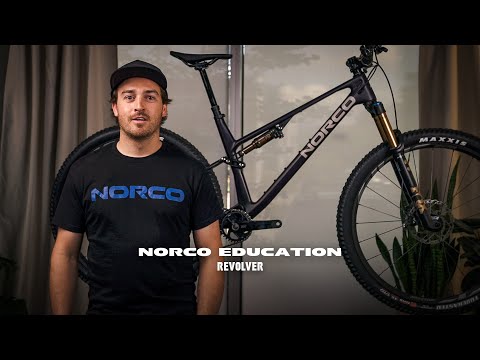
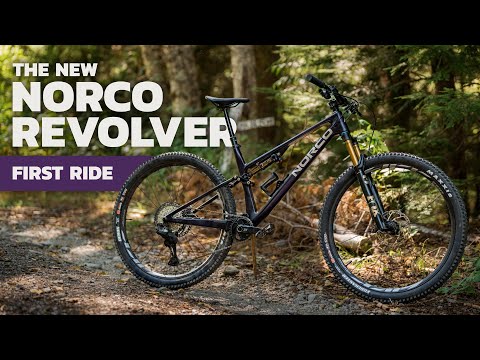
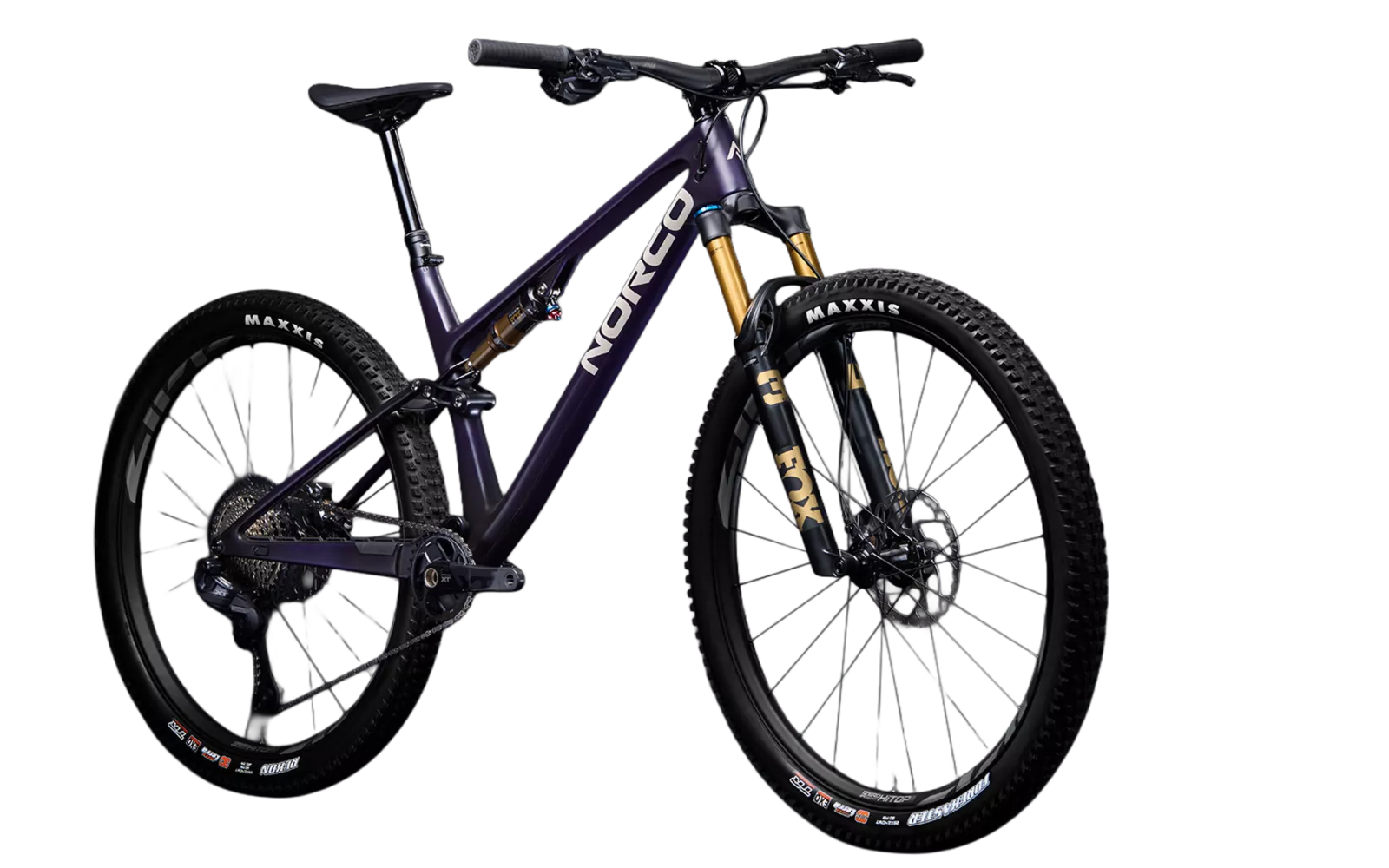
Norco threw out the old Revolver in August 2025 and built a new one. Different suspension (flex-pivot, replacing the Horst link they'd used for years), different frame (450 grams lighter, carbon-only), different sales approach (two variants on one chassis instead of the old FS 100 and FS 120 split). This was the first meaningful bet Norco had made on this platform in a long time.
The Brand
Norco is a Canadian company based in Vancouver, mid-sized by industry standards, privately owned. They spend most of their design capital on their bigger-travel bikes (the Sight, the Optic, the Range), and have historically let the Revolver be the quiet XC platform in the lineup. That changed with this version. Greg Minnaar, the four-time downhill World Champion, is on Norco's athlete roster and showed up in the Loam Wolf launch video chasing the reviewer down trails on his own Revolver.
The Bike
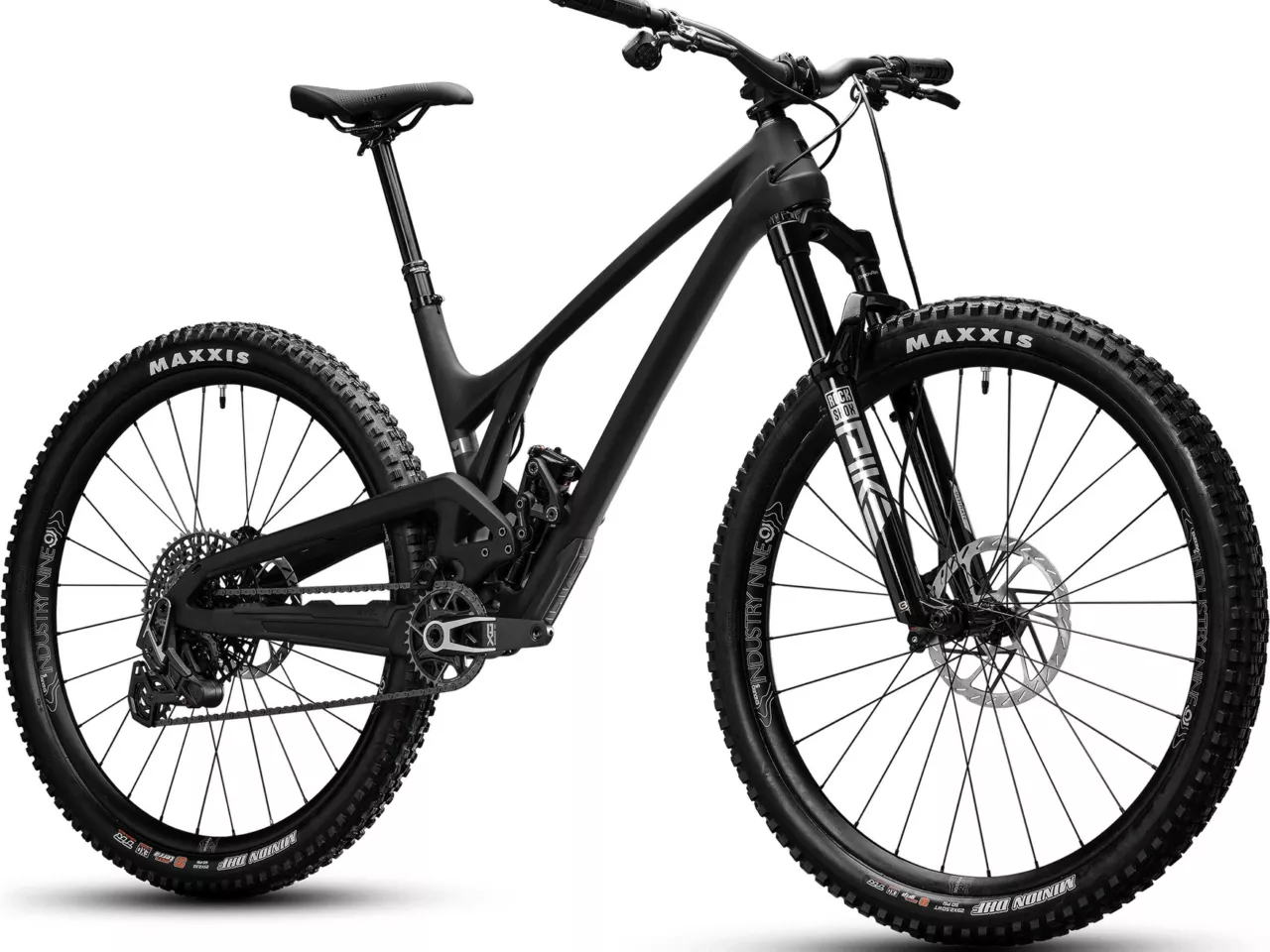
The Revolver ships as two trims on the same carbon frame. The Revolver 130 (the one we're treating as the canonical downcountry config) pairs a 130mm fork with 120mm of rear travel via a 45mm-stroke Fox Float SL shock, and lands at a 66° head angle. The Revolver 120 (the race-focused variant) runs a 120mm fork and 115mm rear via a shorter 42.5mm-stroke RockShox SIDLuxe, pulling the head angle steeper by half a degree to 66.5°. The frame and kinematics are identical; the trim is fork length, shock stroke, and tune. If you want a true XC race rig, go 120. If you want the bike that fits the downcountry brief, go 130.
Pinkbike's Mike Kazimer weighed his Revolver 130 C1 test bike at 25.8 lbs in size large. That's light for a 130/120 bike with a dropper and modern geometry, noticeably lighter than, for example, a comparable Tallboy in the same price class. Blister, riding the 120 trim, came in at 25 lbs in size S3, which is about a pound apart between the two configurations and exactly what you'd expect.
Pinkbike's Mike Kazimer, on his first ride out of the Whistler launch, wrote that "the Revolver's geometry sits squarely in the modern XC realm, and the fact that the bikes come with a 50mm stem and wider handlebars is a sign that Norco's designers have been paying attention to how today's XC / trail riders are setting up their bikes." Blister's Dylan Wood called the Revolver 120 "one of the most efficient, best-climbing XC bikes I've tested to date." Flow Mountain Bike noted that it "stays remarkably composed in rocks and roots and rewards body language with precise, predictable responses." The Loam Wolf's Cole Gregg, testing it as "the first proper XC bike I have ridden," said "it felt like every crank gave me two cranks worth of power."
The Last Word
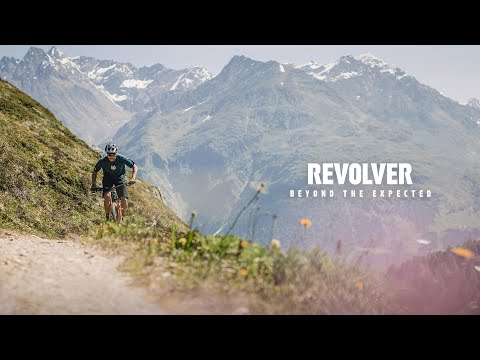
If there's a theme across the coverage, it's that Norco built a bike that climbs like an XC weapon (notice our judicious lack of the word "goat") and descends more than its travel would suggest, without pretending to be something it isn't. You're not going to out-huck a Tallboy on this. But you might drop your fitter friends on the climbs.