Hot Take
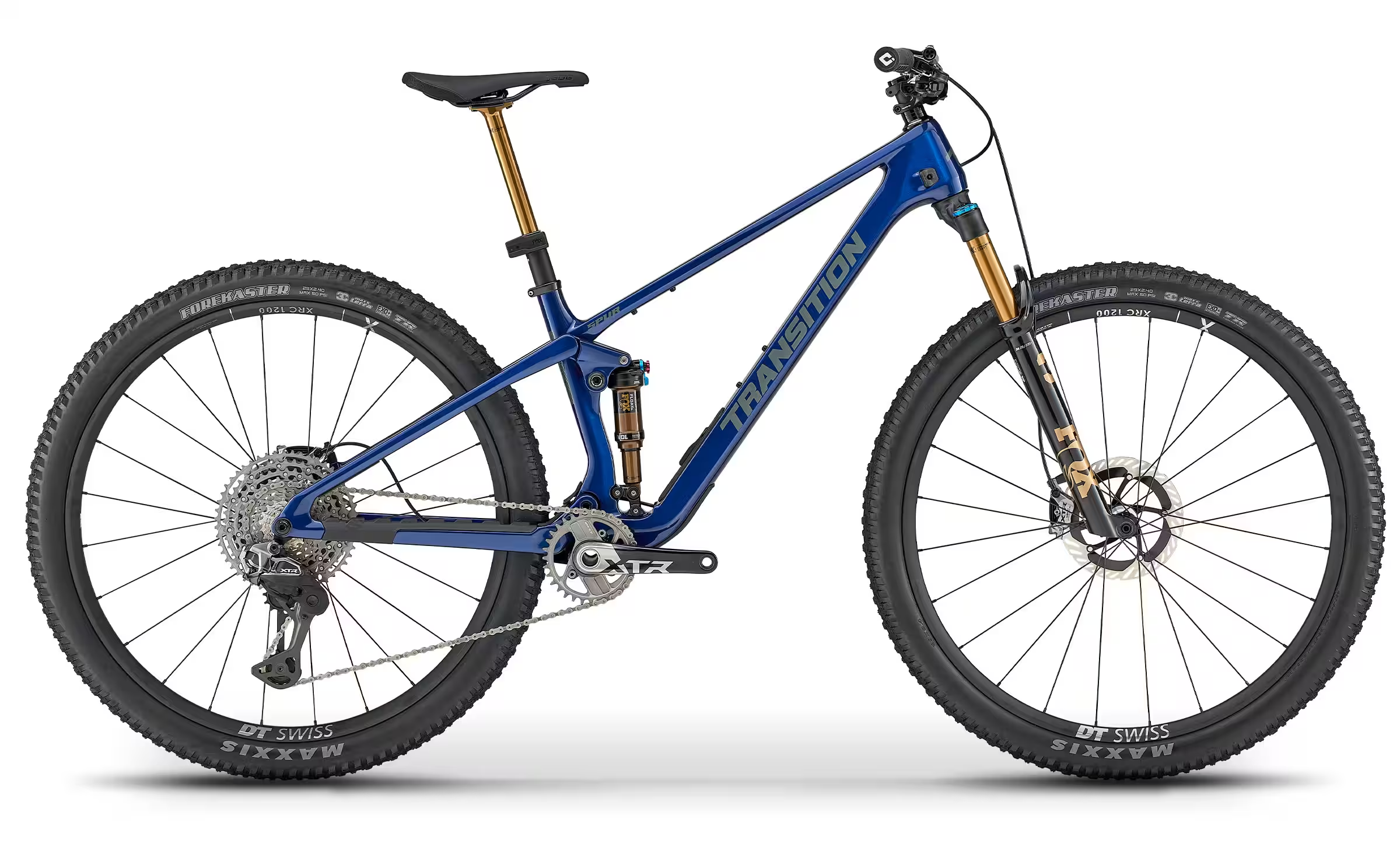
When Transition launched the Spur in 2020, it was basically throwing down the gauntlet to every brand making short-travel bikes. This was the bike that made "downcountry" a thing, whether you wanted it to be or not. While other brands were still bolting bigger forks onto their XC frames, Transition designed the Spur from scratch to descend anything you dared point it at. With 120mm of travel and a head angle slacker than plenty of trail bikes, it looked almost ridiculous on paper. But on the trail, it felt like the first short-travel bike that didn't flinch when things got rowdy.
The Brand
Transition is a small Bellingham, Washington outfit, employee-owned, with a reputation built on aggressive trail and enduro bikes. The Spur landed in 2020 as a deliberate stretch into short-travel territory the company hadn't really occupied before, and the bike's gravity-leaning DNA showed up in the geometry choices in a way that nothing else in the category was doing at the time. Transition tends to refresh bikes incrementally rather than reinventing them: same ride character, modernized details. The Spur V2's lightly-revised treatment is exactly that pattern.
The Bike
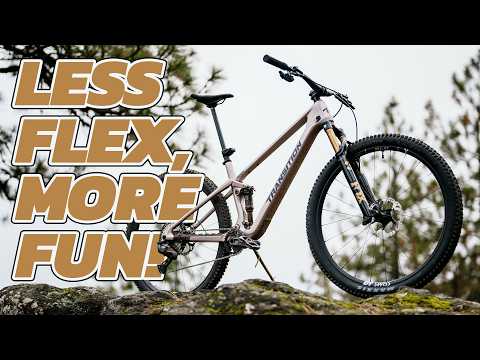
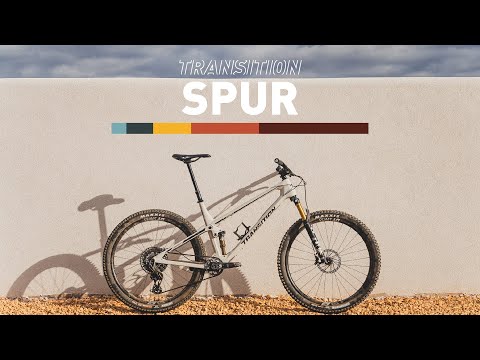
Six years later, in March 2026, Transition shipped the Spur V2. Pinkbike titled its review "Lightly Revised and Still Just as Fun," which is fair. What changed: in-frame storage (Transition calls it the "Boom Box"), a flip chip at the lower shock mount that tweaks the head angle from 66° to 65.5° and lifts the BB by 7mm, stiffer front and rear triangles (addressing the V1's occasional flex-stay flex), size-specific chainstays (435mm on Small and Medium, ~440mm on Large and XL), a shorter seat tube for longer droppers, cleaner internal cable routing, and a 130mm fork as standard across all builds instead of optional. What didn't change: the 120mm of rear travel, the suspension kinematics, the overall ride character. Transition made a point of saying they didn't want to mess with the ride feel of the Spur, and every V2 reviewer confirms they didn't.
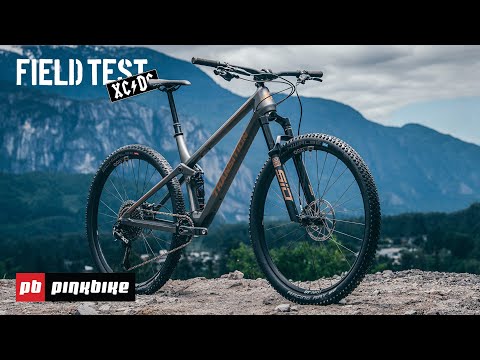
Reviewers couldn't quite decide what box to put the original in. In Pinkbike's 2020 Field Test, Mike Levy called it "more capable than the others" and raved that it "delays what's coming at you in a Matrix-y way." Years later, Singletracks summed it up as "a confident, capable descender that still climbs better than most." The V2 hasn't changed the consensus. Pinkbike's Mike Kazimer, on his March 2026 V2 review, wrote that "nearly six years have gone by since Transition first let the Spur out into the world" and that it's still "an absolute riot to ride on all sorts of terrain." Blister noted that Transition "hasn't felt the need to change it too dramatically" and that the V2 "hasn't strayed too far away from the geometry or suspension kinematics of the original." The Loam Wolf's Cole Gregg called the V2 "a full ground-up redesign of the original frame, while modernizing the character that riders have grown to love." Bikepacking.com summed it up: "stays true to the original's downcountry roots while adding some thoughtful updates."
From the moment it arrived in 2020, the Spur set the tone for every bike that wanted to be both fast and fun without needing a ton of squish. We'll be honest, this bike has a special place in our hearts. DowncountryBikes.com exists because bikes like the Spur exist. We own two of them ourselves (both V1, at least for now) and still can't shut up about them.
The Last Word
Sure, the name "downcountry" is silly. But if you ever need proof that this category can be more than just marketing hype, look no further. This is still the benchmark, six years in.